Go 1 Day Painting

Scroll — one pass

House painters · Auckland

We know exactly how a coating fails here — and we prepare for that before a brush comes out.

Four things are taking it off

  • Humiditystops a coat bonding
  • UVbreaks the pigment down
  • Salt aircorrodes what is under it
  • Clay soilmoves the house twice a year

So we prepare for every one.

2015
Painting Auckland since
10 yrs
On every Team Leader
3
Vital-stage checks
5 yrs
Workmanship warranty
110+
Five-star reviews

The diagnosis

Paint rarely fails because of the paint. It fails because of what was underneath it, or what the weather did to it. Here is what we find on Auckland houses, what caused it, and what actually has to happen.

01 / 08Blistering

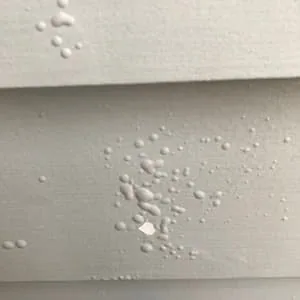
Bubbles lifting off the surface, sometimes with water behind them.

Blistering

You see

Bubbles lifting off the surface, sometimes with water behind them.

Because

Coated over a damp or contaminated surface, or applied in humidity too high for the paint to bond.

What we do

Strip back to a sound surface, correct what is holding the moisture, then re-prime. Painting over it hides it until spring.
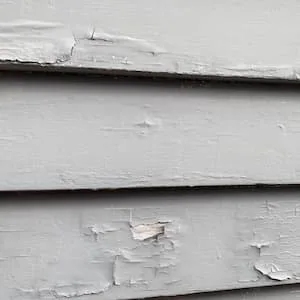
Sheets of coating lifting away, bare grey timber underneath.

Peeling weatherboards

You see

Sheets of coating lifting away, bare grey timber underneath.

Because

The old system lost adhesion — moisture behind the board, or a coat applied over weathered timber.

What we do

Stripped back to original timber, and greyed wood sanded to a stable surface so the new paint has something to hold.

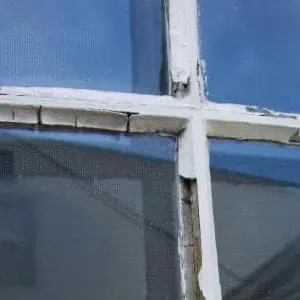
Glazing putty cracked, shrunken or fallen out of the sash.

Putty failure

You see

Glazing putty cracked, shrunken or fallen out of the sash.

Because

Putty goes brittle with UV and age, then lets water sit against the timber and the glass.

What we do

Cut out and re-puttied before any coating goes near it. Painting over failed putty seals water in rather than out.

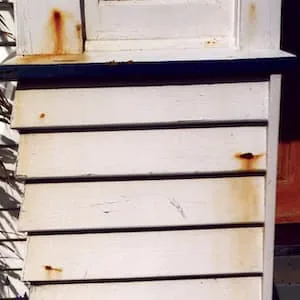
Rust stains bleeding down the face of the boards from every fixing.

Rusty nail heads

You see

Rust stains bleeding down the face of the boards from every fixing.

Because

Fixings corroding under the coat, accelerated near the coast by salt air. The stain is the nail going.

What we do

Each head is treated and sealed before the boards are coated, so the rust cannot bleed back through the new paint.

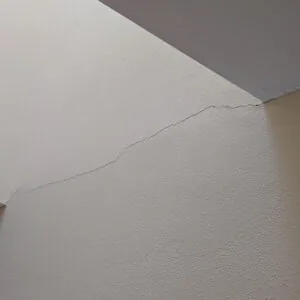
Hairline cracks that keep coming back in the same place.

Cracked walls and ceilings

You see

Hairline cracks that keep coming back in the same place.

Because

The house is moving with Auckland’s clay soils — swelling in winter, drying out again in summer.

What we do

A fibreglass mesh goes over the crack before filling. It reinforces the repair, which plain filler cannot do.

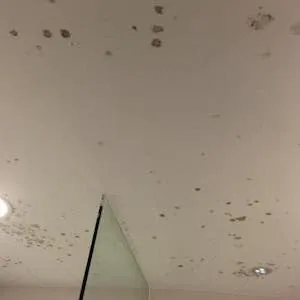
Black spotting in corners, above showers, along cold outside walls.

Mould on ceilings

You see

Black spotting in corners, above showers, along cold outside walls.

Because

Moisture with nowhere to go. Wet and unventilated rooms hold humidity against a cold surface.

What we do

Treated with a mould-killing solution, then finished in a water-based enamel carrying silver ions to inhibit regrowth.

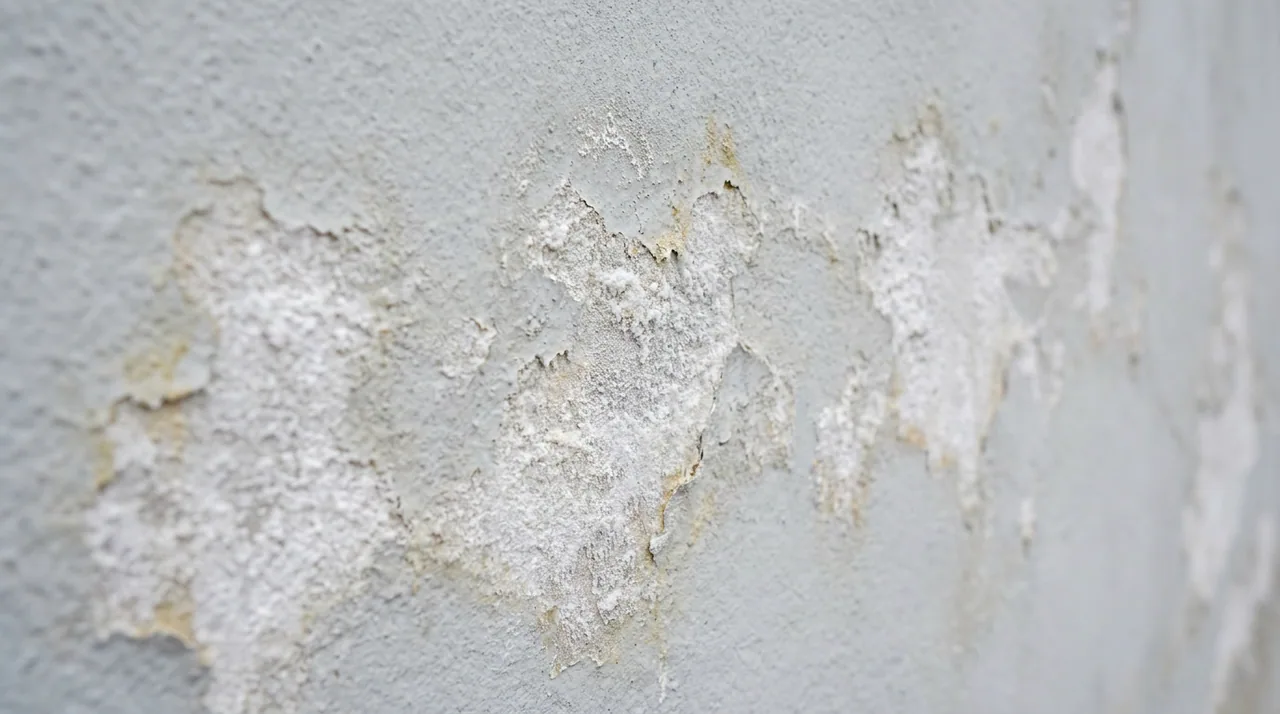
A white mineral bloom pushing through plaster cladding.

Efflorescence

You see

A white mineral bloom pushing through plaster cladding.

Because

Salts migrating out through the plaster with moisture. It bleeds through anything simply painted over it.

What we do

Treated, wire-brushed, and Lime Lock applied so it cannot come back through the finished work.

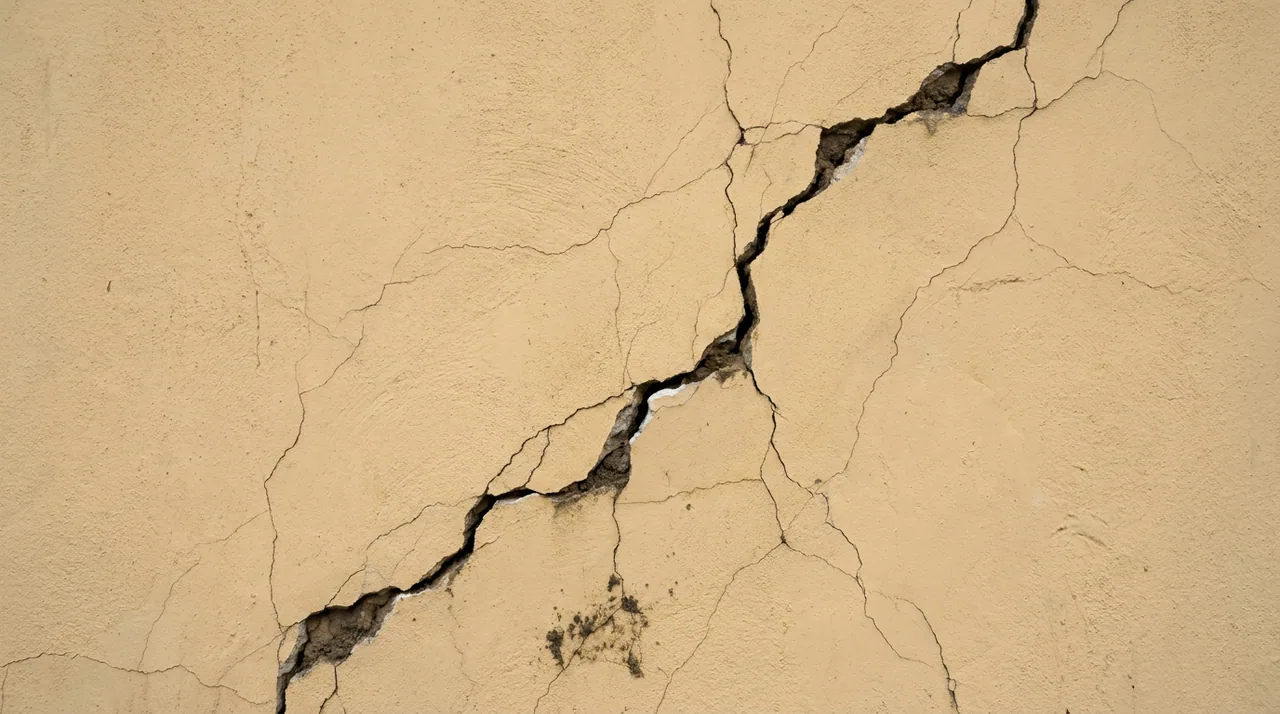
Cracking across a plaster-clad wall, often on the weather side.

Cracked plaster cladding

You see

Cracking across a plaster-clad wall, often on the weather side.

Because

Plaster moves and is not flexible. A rigid coating over a moving substrate splits along the same lines.

What we do

An elastomeric bandage over the cracks, then two coats of a weathertight elastomeric such as Resene X-200.

The fix

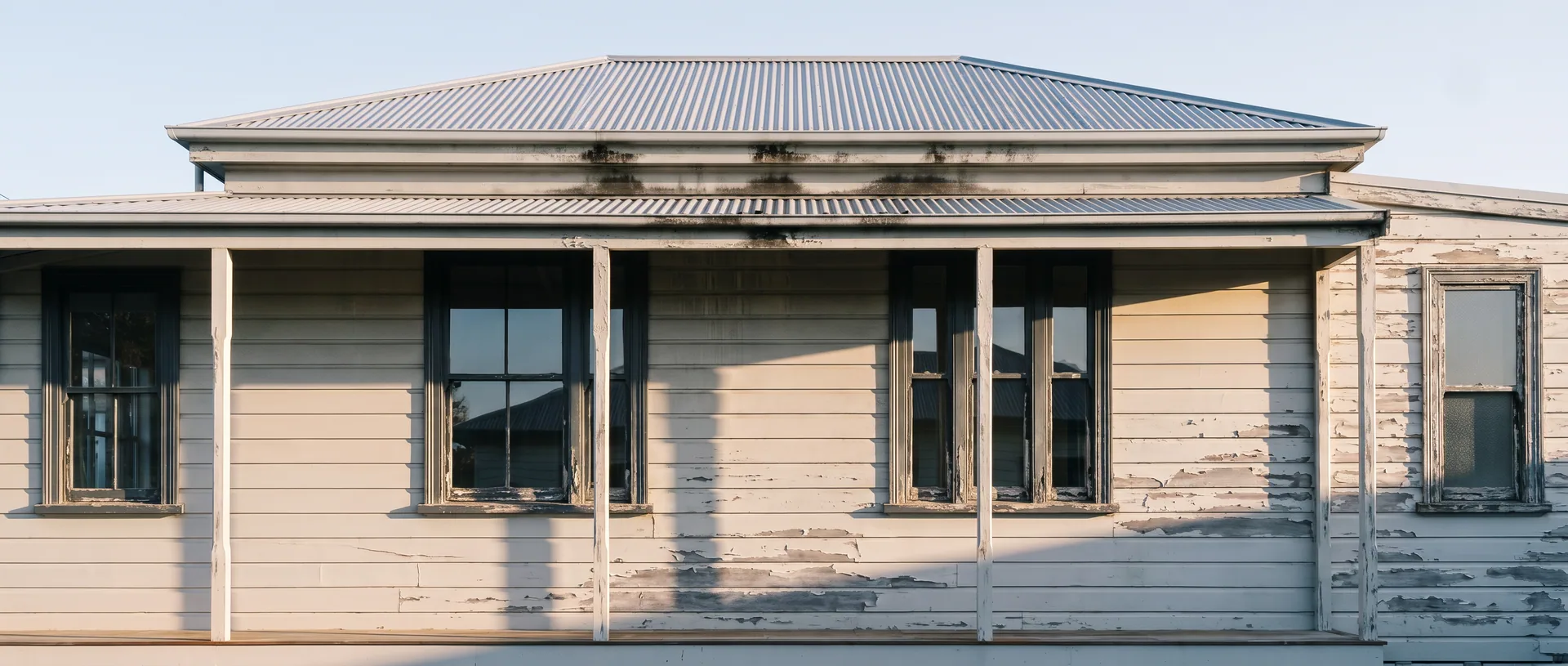
An Auckland villa elevation with chalking, blistered and peeling paintwork
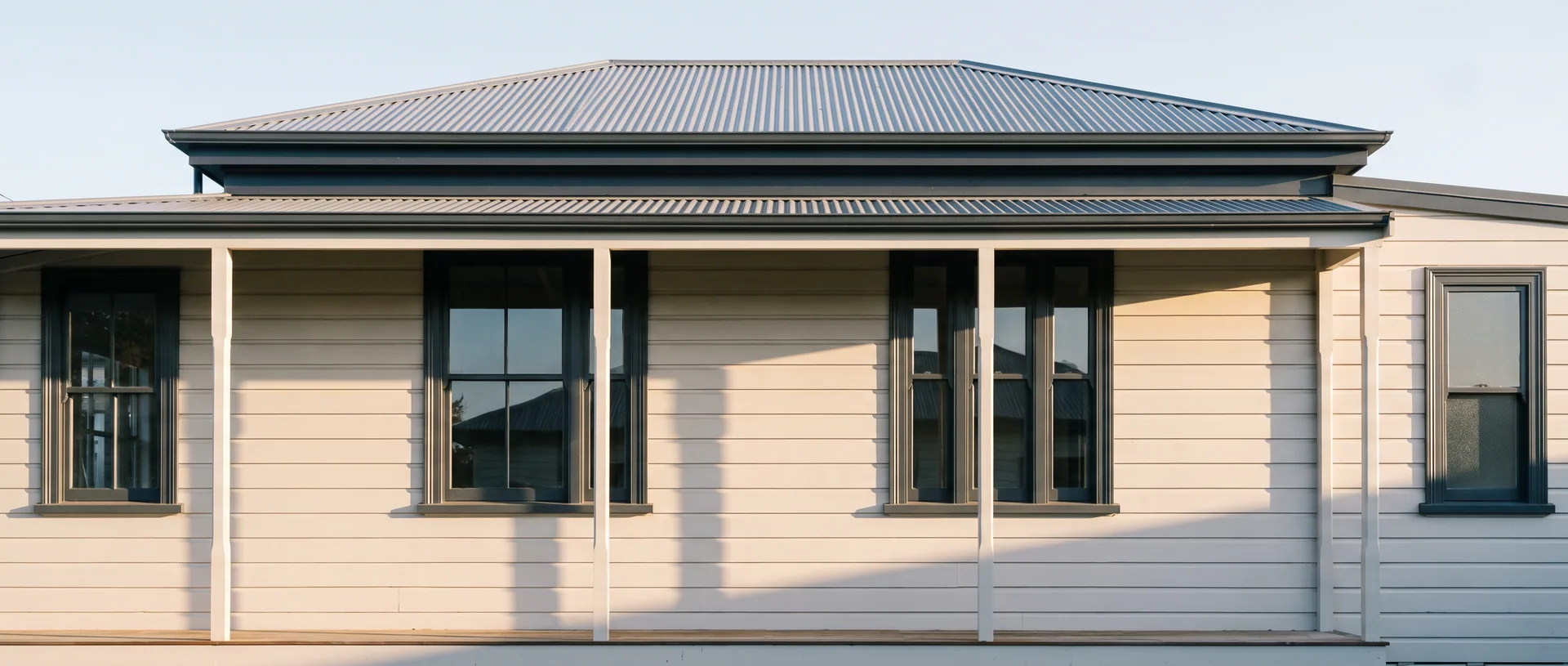
The same elevation prepared and recoated

Wash, strip back to sound timber, treat the fixings, bridge what moves, prime what needs it then two coats. The finish is the easy part; everything before it is the job.

Exterior painting →

Why here

Humidity that stops a coat bonding. UV that eats the pigment. Salt air that corrodes what is under it. Clay soils that swell in winter, dry out in summer and move the house while they do it. A paint system that ignores all of that is a paint system that fails early.

01 / 06 · Auckland

UV

Breaks the pigment down

High UV exposure breaks down a paint’s pigments and binders, so colour fades and the surface goes chalky. It is why a wall can look tired years before it has actually failed.

02 / 06 · Auckland

Heat

Warps the timber underneath

A dark colour absorbs heat instead of reflecting it, and the timber underneath warps, dries and cracks. On some weatherboards a low light-reflectance value will void the manufacturer’s warranty outright.

03 / 06 · Auckland

Humidity

Stops the coat adhering

Paint applied in high humidity takes longer to dry and may never adhere properly. It peels and bubbles later, and the cause is months in the past by the time you see it.

04 / 06 · Auckland

Salt air

Corrodes what is under the coat

Near the coast, salt air is corrosive and paint deteriorates faster. It needs salt-resistant systems and primers, not just a good top coat.

05 / 06 · Auckland

Clay soils

Moves the house, cracks the walls

Auckland’s clay soils swell with water in winter and dry out in summer. The house moves with them, and that movement is what cracks interior walls and ceilings — which is why filling a crack without reinforcing it just means filling it again.

06 / 06 · Auckland

Temperature swing

Expands and contracts the film

Significant temperature fluctuation makes a paint film expand and contract until it cracks and lifts. Flexible systems survive it; brittle ones do not.

The spec

Most of these cost more on the day and less over the life of the job. If a quote you are comparing does not mention any of them, it is worth asking why.

  1. 01

    Penetrating stains only. Never film-forming.

    Film-forming stains are cheaper and they peel with age, exactly like paint does. Penetrating stains soak into the fibres and simply fade, so the next recoat is a wash and a coat instead of a strip. Cheaper over the life of the deck, not on the day.

  2. 02

    Light reflectance value over 40 on weatherboards.

    A lower LRV absorbs heat rather than reflecting it, which warps, dries and cracks the timber underneath. On some weatherboards going too dark voids the manufacturer’s warranty.

  3. 03

    No oil-based enamel in a bathroom.

    They yellow and go brittle, and the lack of natural light in most bathrooms accelerates it. A water-based enamel stays white, stays washable, and takes silver ions to inhibit mould.

  4. 04

    The old coating gets tested before the new one is chosen.

    Upgrading a wet area to a modern system over an unidentified old enamel is how you get a finish that peels within a year. Testing it first decides the primer.

  5. 05

    Rotten timber is replaced, not filled over.

    Depending how far it has gone, the wood is replaced or cut out and filled properly. Damaged areas are made good before any paint is applied, because a coating cannot hold anything together.

  6. 06

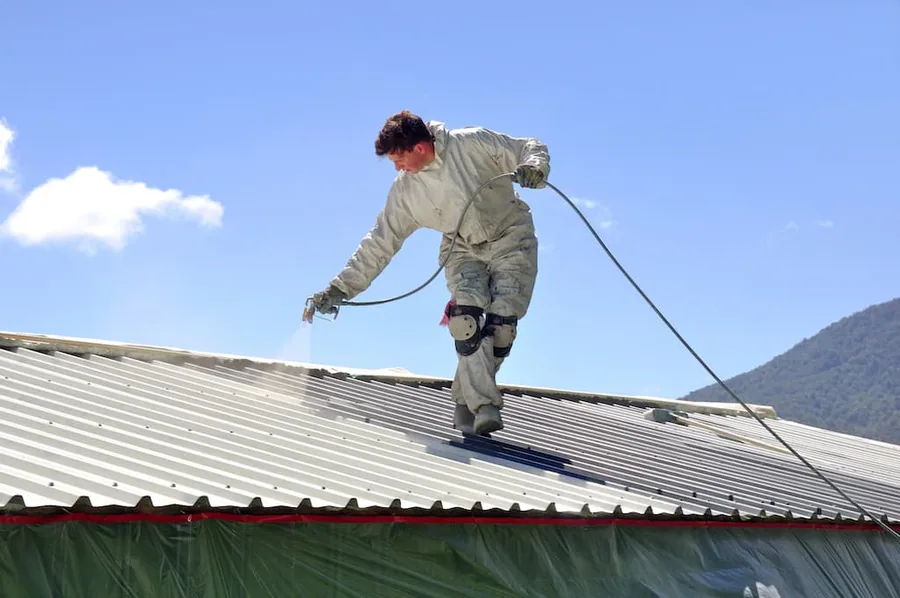
    On a roof, prevention beats a cure a hundred times over.

    Left unchecked, corrosion on a metal roof stops being a paint problem and becomes a whole new roof. Rust is treated with an inactivator and wire-brushed back to shiny metal before it is primed.

The spray shop

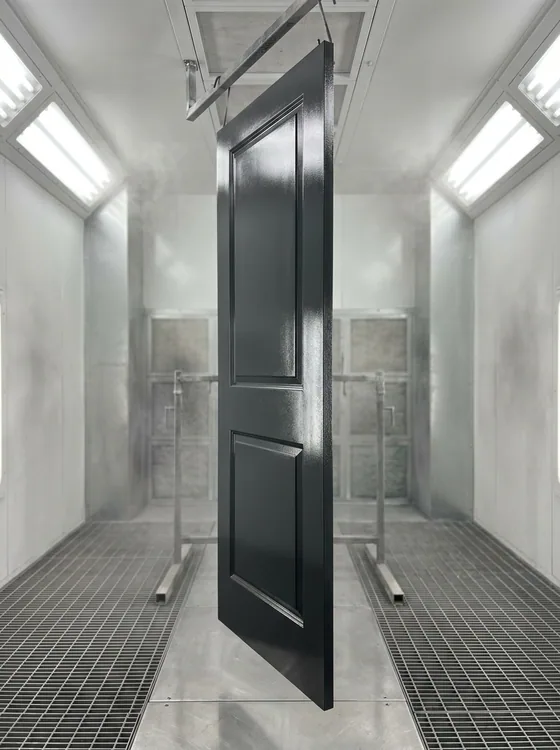
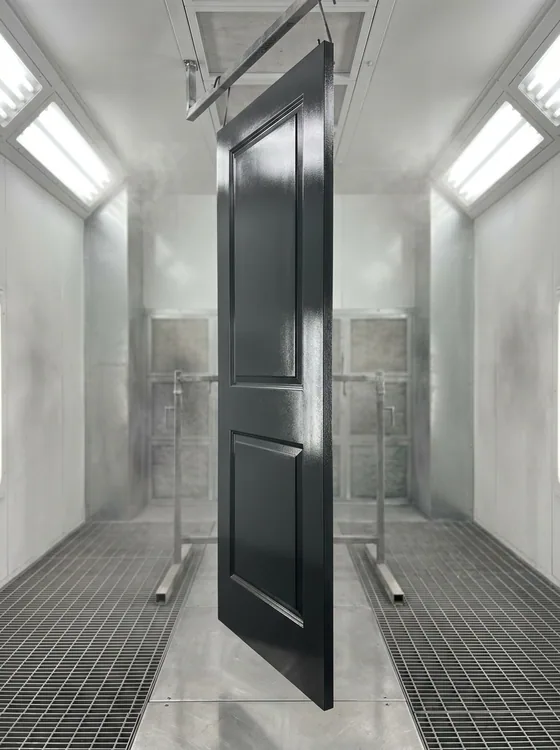
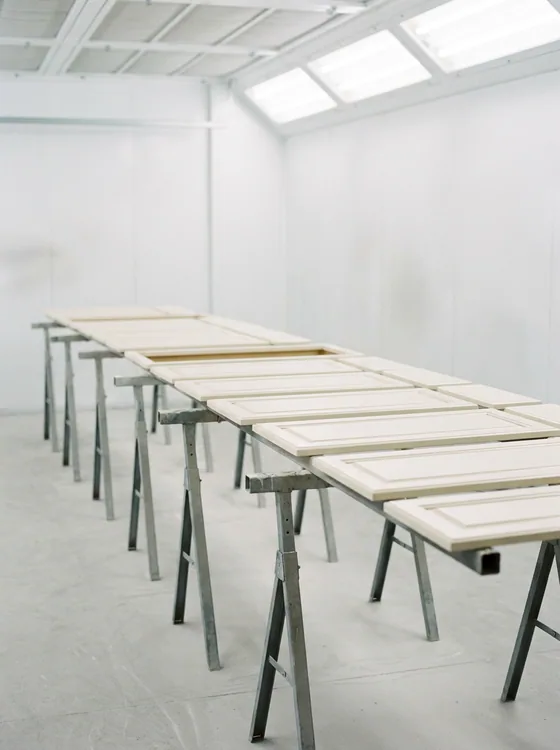
Doors and kitchen cabinetry cannot get a proper finish in your hallway, so they do not get finished in your hallway. They go to the factory, into a booth where the temperature, the dust and the moisture are all controlled, and come back looking new.

A panelled door hanging in the spray booth, freshly finished
Cabinet doors laid out on trestles after finishing
  1. 01 · Out

    We collect your doors, drawers and cabinetry from the property — or you can drop them to the factory.

  2. 02 · Prepped

    Holes and cracks repaired or filled, sanded back, then primed and sealed where they need it.

  3. 03 · Sprayed

    Finished in a temperature, dust and moisture controlled environment. No hallway can do this.

  4. 04 · Back

    Protected, delivered, and rehung looking new — for a fraction of what replacing them costs.

How the spray shop works

Interior doors · Exterior doors · Kitchen drawers · Cabinetry

How it runs

We are faster because there are more of us on your house at once, working to one order of operations, led by somebody who does not leave. Where the scope allows, that turns a job measured in days or weeks into one measured in a day.

  1. 01 · Crew

    The whole crew, on one house

    Rather than splitting into pairs across several jobs, the team works together on one property. That is what compresses a job that would otherwise run for days or weeks — and it is what keeps a wet edge alive across a full elevation, which is how you finish a wall without a lap mark down the middle of it.

  2. 02 · Leader

    A Team Leader who does not leave

    Because the crew is large, the Team Leader stays and runs your project from start to finish instead of driving between several sites to manage several small teams. Minimum ten years on the tools, and they work alongside the crew rather than watching them.

  3. 03 · Checks

    Checked at three points

    When the prep work is complete. After the first top coat has gone on. When the project is finished. Anything that is not right gets fixed while the crew is still standing there, which is the only time fixing it is cheap.

    • After prep
    • After first top coat
    • At completion
  4. 04 · Handover

    A walk-through, then a call

    Your Project Consultant walks the finished job with you. Shortly after the clean-up you get a call to check the work, the colours and the experience all landed the way you expected — and that feedback goes into the team’s regular meetings.

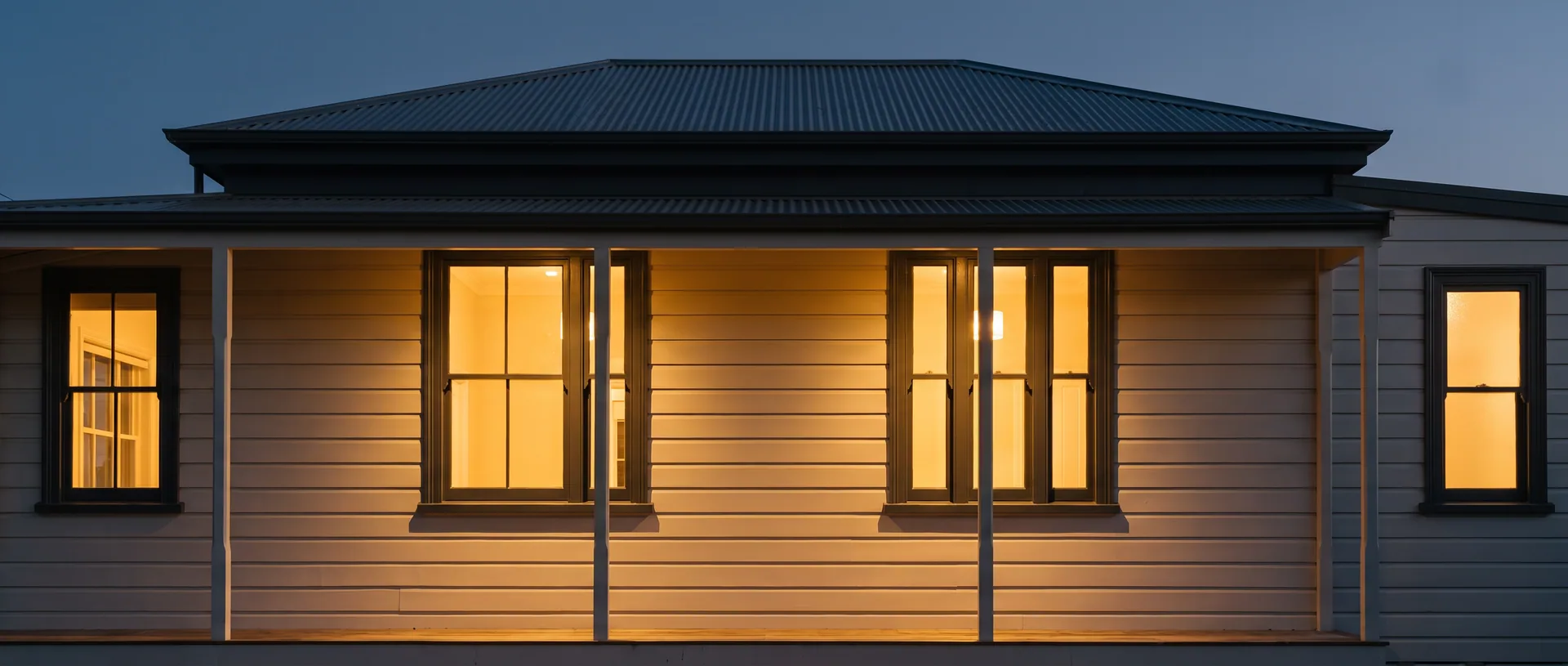
The same villa at dusk, lamplight in the windows, the crew gone

Prepared for whatthis place does to paint.

A Project Consultant walks the job with you, talks through colours, paint types and timing, and emails a written quote setting out the exact process our painters will follow. The scope is what the crew works from, so the price does not move.

  • 5-year workmanship warranty
  • Public liability insurance carried on every job
  • Free Resene colour consultation